Gilbert Calleja
LAMPARA: Nights at sea
(Ongoing multimedia project)
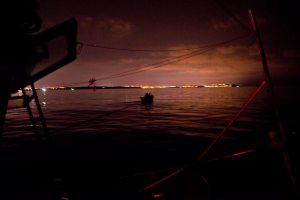
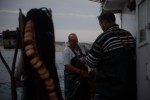
Over the past twelve years I have been documenting nights aboard the Joan of Arc – a thirteen-meter sixty-year-old fishing boat from Marsaxlokk, a port in the southeast of Malta. Owned and captained by Antoine Abela, and crewed by seasonal Egyptian fishermen, the boat is one of the last in Malta still practicing lampara fishing – a method that uses light to attract fish into a surrounding net. This selection of photographs provides an intimate, humane perspective into the lives of fishermen, the environment in which they work and the poetics in which their experiences are inscribed.










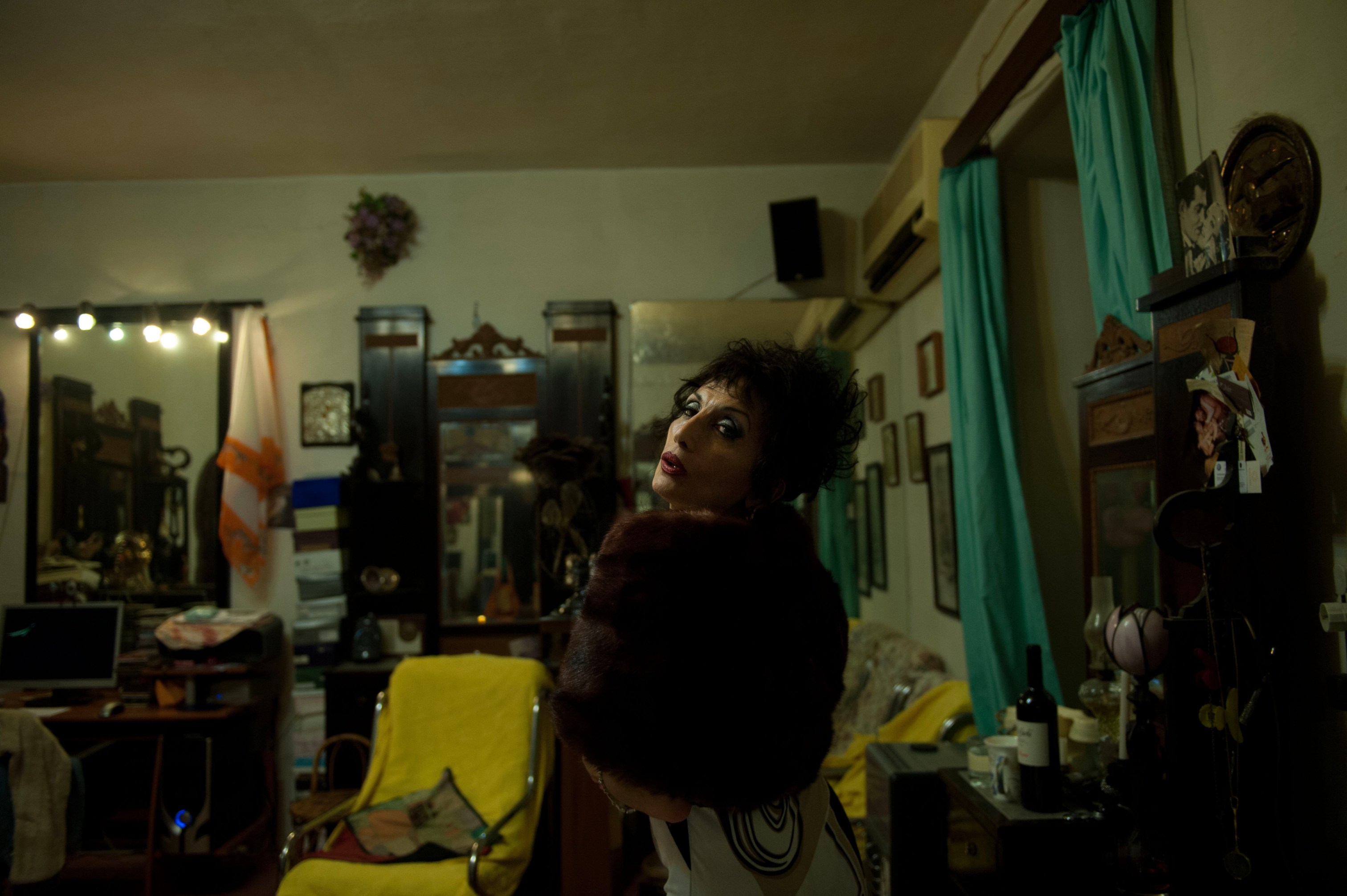
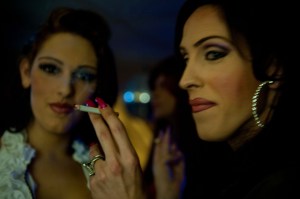
LIMINAL: Transgender people in Malta
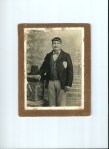
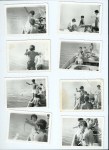
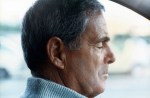
Driven by the desire to look beyond the stereotyped image of transgender people and defy prejudices against marginalised individuals living in a small, predominantly Catholic, country I embarked on an extensive photo-documentary project. Taking time to establish and nurture personal relationships I gained unprecedented access into the private lives of thirty-two trans-identifying individuals. LIMINAL was published as a photo book.



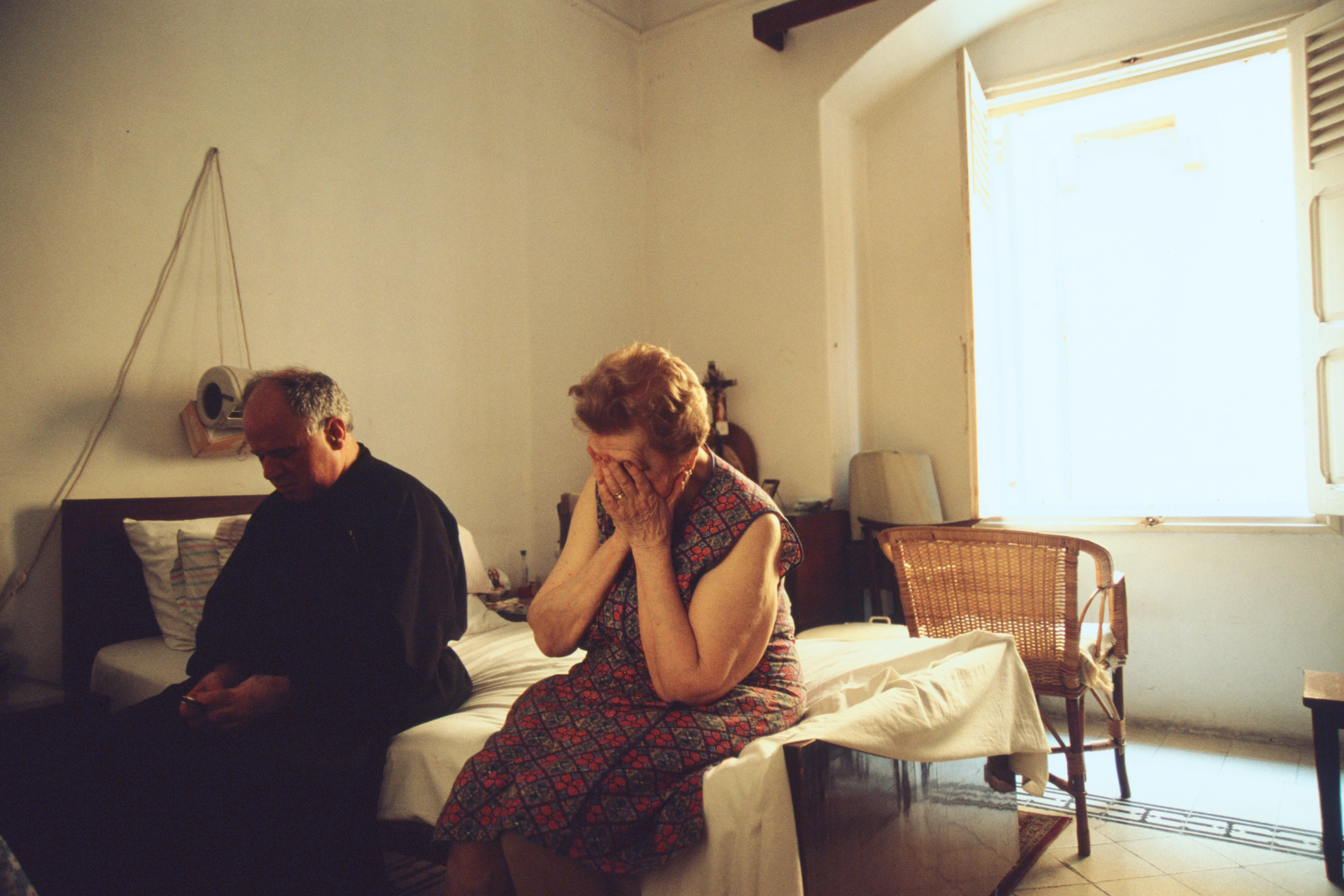
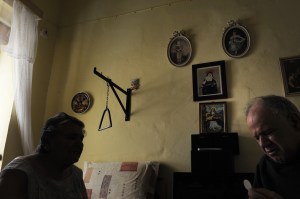
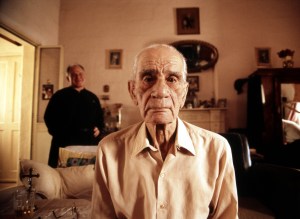
Revisiting an eye-opening experience from my childhood, I accompanied a Catholic priest visiting the sick and destitute members of his parish in the Mandraġġ area in Valletta, Malta. The area is a densely populated social housing estate struggling with high levels of unemployment, poverty and related social issues.


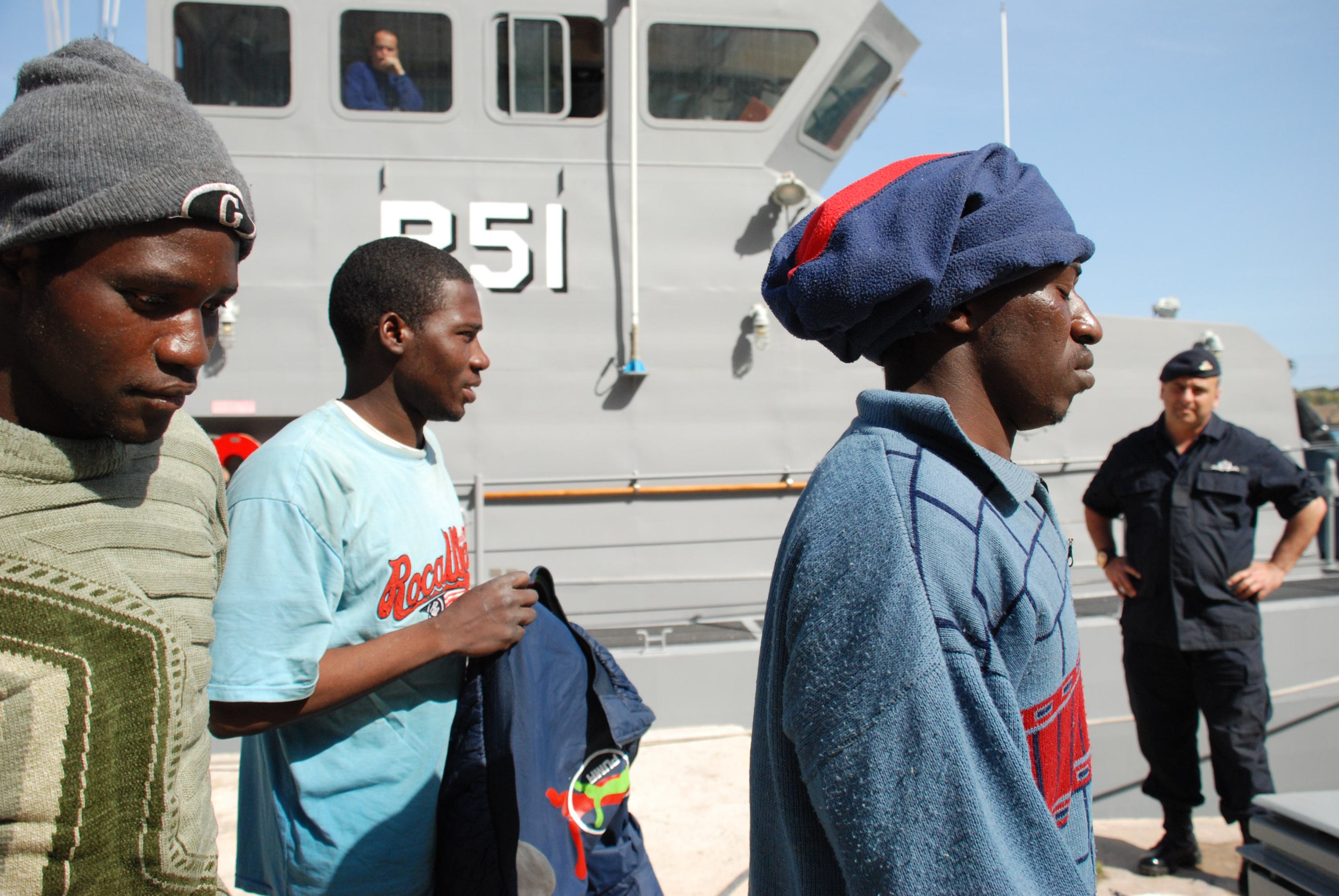
Migrants from Sub-Saharan Africa in search of a better life in Europe land in Malta, the European Union’s frontier country. The phenomenon of boatloads of irregular immigrants reaching the island of 400,000 inhabitants started at the same time that Malta joined the EU in 2004, prompting widespread racist and xenophobic responses, despite the plight of many of them fleeing persecution.
Most of the migrants leave from Libya on overloaded boats captained by people who are unfamiliar with seafaring, although they pay hundreds of Euros for the trip. Tragedies of people drowning on the way hit the headlines regularly, and many more are believed to go unreported.
Maltese rescuers are often called to assist seafaring migrants in difficulties mainly because of the rough seas, lost coordinates or running out of fuel. Upon their landing, migrants are greeted by detention services officers who submit them to medical tests and escort them to detention centres, from where some apply for refugee status. Those who do not qualify as refugees according to UNHCR criteria are granted temporary humanitarian protection until they are repatriated.
Malta insists the problem affects all European countries and as such should be tackled comprehensively by the EU.



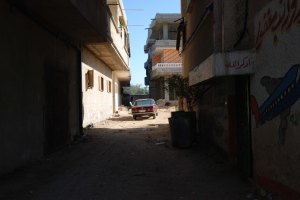
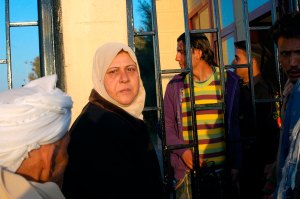
Salah El Din Road, Rafah, Egypt (2009) – People here could only watch helplessly as Israeli fighter jets bombed their relatives’ houses across the border, just 300 metres away.
This ramshackle street, stretching along the Rafah Crossing dividing Egypt and Gaza, covers the hundreds of tunnels from where civilians smuggle most of the everyday goods for the desperate Palestinians. Israelis charge that they are also used to smuggle rockets to Hamas, but the people here refute it adamantly.






 Gilbert Calleja